A $3.9 Billion Automation Wave: How GCC’s Factory Revolution is Reshaping Industrial Component Supply
News 2026-05-26
While global manufacturing navigates uncertainty, one region is moving decisively in the opposite direction. The Gulf Cooperation Council (GCC) nations are in the midst of the most ambitious industrial transformation in their history. For factories, system integrators, and automation component buyers across the Middle East, the numbers tell a compelling story.
The GCC Programmable Logic Controller (PLC) market, the beating heart of industrial automation, was valued at US1.8billionin2024andisprojectedtoreachUS3.9 billion by 2032, growing at a compound annual rate of 9.2%. Behind this figure lies a region-wide factory revolution, driven by unprecedented government investment, that is generating sustained demand for industrial control systems, drives, HMIs, and networking equipment.
Saudi Arabia: A Trillion-Dollar Industrial Ambition
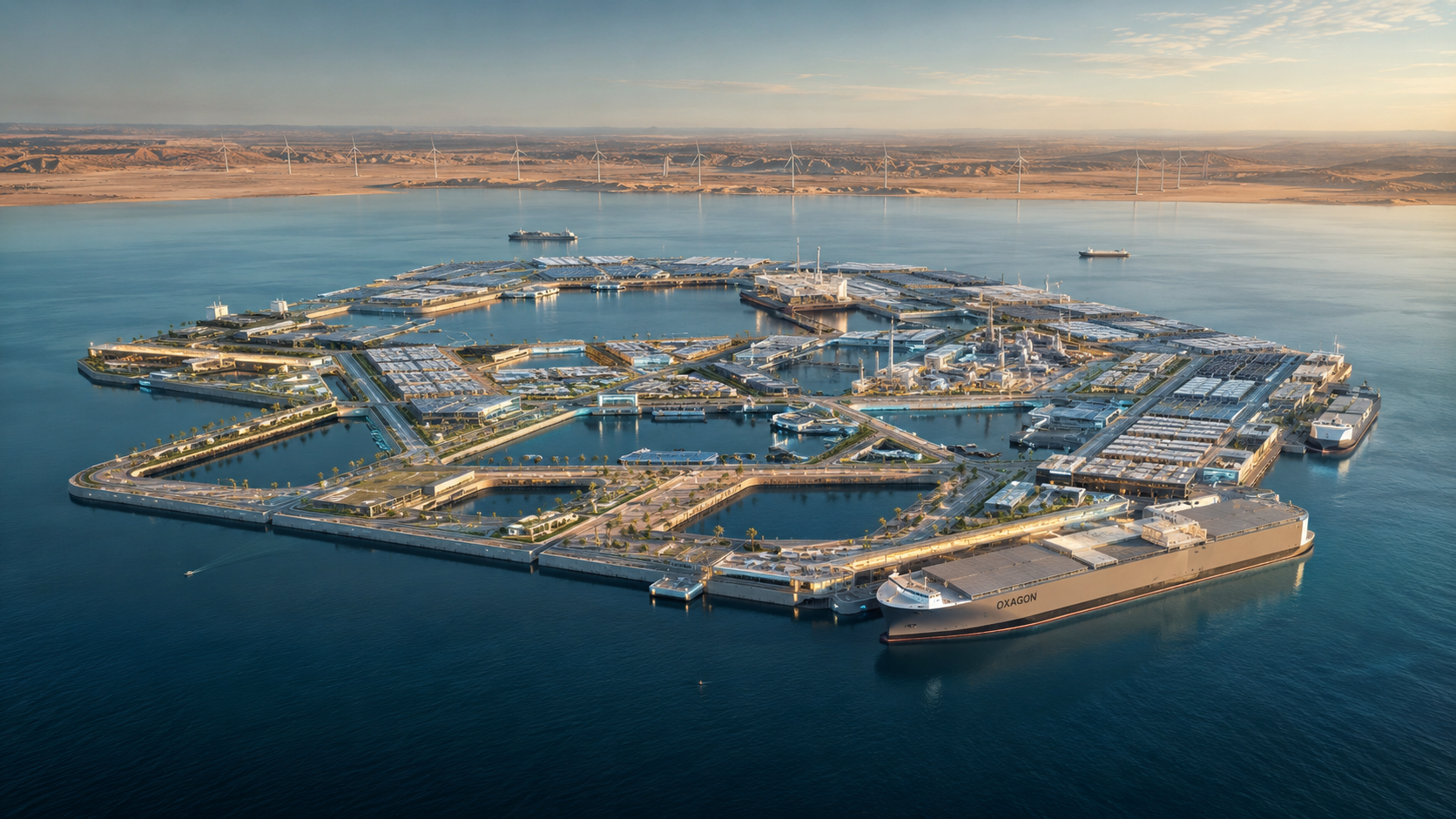
At the forefront of this transformation is Saudi Arabia‘s Vision 2030. The Kingdom is not just building cities; it is building an entirely new industrial base. The $345 million construction robotics joint venture between NEOM and Samsung C&T, announced earlier this month, is just one example. NEOM’s Oxagon industrial city — the world’s first fully integrated floating industrial complex — is taking shape as a blueprint for what advanced manufacturing looks like in the 21st century.
Beyond megaprojects, the Kingdom‘s automation market is projected to surpass $2.5 billion by 2030, driven by government-backed industrial investments and rising productivity targets. At the 2026 Saudi Manufacturing Show in Riyadh, buyers weren’t just browsing — they arrived with concrete RFQs for automation production lines, smart warehousing, and industrial robotics that can withstand harsh desert conditions.
The UAE: Manufacturing Moves to Center Stage
Just this month, the UAE concluded its landmark Make it in the Emirates 2026 forum, where the government announced AED 180 billion (US$50 billion) in new industrial procurement opportunities, targeting the localization of over 5,000 products across strategic sectors. The UAE has also set an ambitious goal of establishing 100 Industry 4.0 lighthouse factories by 2030, signaling sustained long-term demand for advanced automation technologies.
The recently launched AED 1 billion National Industrial Resilience Fund further reinforces the UAE’s commitment to strengthening domestic supply chains — a policy direction that creates opportunities for agile international suppliers who can deliver quality components faster than traditional channels.
What This Means for Automation Component Buyers
For the engineers, procurement managers, and project directors who are building these factories, three trends are reshaping their supply chain decisions:
- Speed Over Legacy Channels: The pace of GCC project execution — from NEOM‘s accelerated construction timelines to the UAE’s rapid factory rollout — means buyers can no longer tolerate the 10-14 week lead times offered by traditional distribution channels. Suppliers with deep, ready-to-ship inventory of Siemens, Rockwell, and other major brands are becoming indispensable strategic partners.
- Environmental Adaptation is Non-Negotiable: Automation components deployed in the Gulf must perform reliably in extreme heat and dust conditions. Buyers are increasingly prioritizing suppliers who understand these environmental demands and can provide components with appropriate protection ratings (IP65/IP67), wide temperature tolerances, and proven track records in similar climates.
- The Retrofit Opportunity: Not every factory in the region is a greenfield project. The modernization of existing oil & gas facilities, power plants, and manufacturing lines is creating massive demand for legacy replacement parts, migration modules, and technical support. Buyers need partners who can source discontinued models and provide cross-generational compatibility guidance.
The China-GCC Automation Corridor
The industrial relationship between China and the GCC is entering a new phase. Chinese automation companies are accelerating their expansion into the Middle East, drawn by higher-margin opportunities and the region’s insatiable demand for industrial technology. In May 2026, Chinese engineering firms secured major contracts for smart factory projects in Oman and for industrial transformer exports to Saudi Arabia, signaling the deepening integration of Chinese industrial expertise with GCC development ambitions.
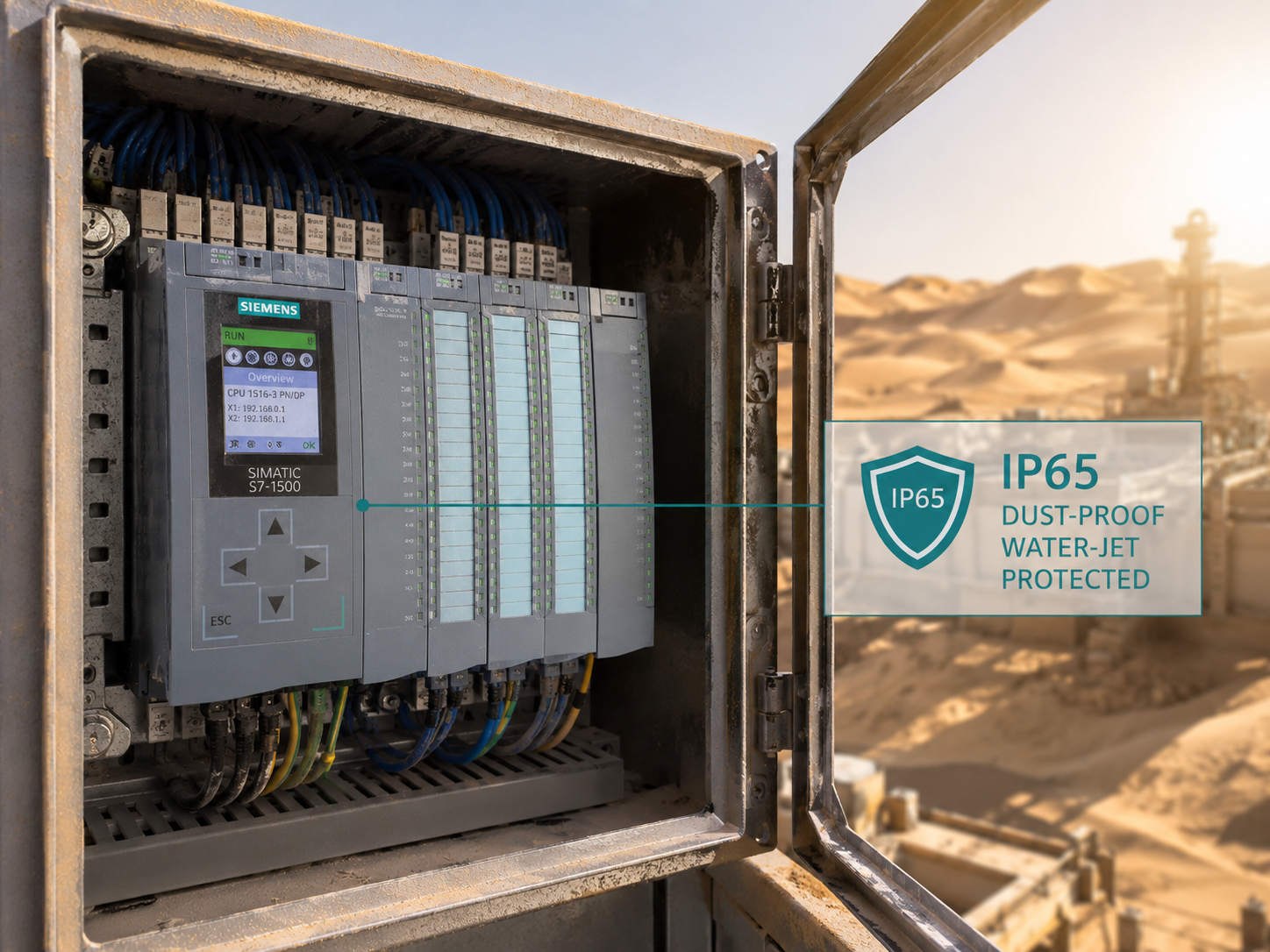
At [Your Company Name], we sit at the intersection of these trends. Our inventory strategy — focused on Siemens PLCs, drives, HMIs, and industrial networking equipment — is designed specifically for the procurement realities of the Middle East market: deep stock, fast shipping, technical support that understands regional application environments, and the flexibility to handle both project-scale orders and urgent replacement part requests.
A Defining Decade for Industrial Automation
The GCC‘s factory revolution is not a short-term phenomenon. With governments committing over US$266 billion to smart manufacturing initiatives through 2035, the demand for industrial automation components will only intensify. For buyers, the winners will be those who secure reliable, responsive supply chains now — before the market tightens further.
Whether you are automating a new production line in Jebel Ali, upgrading PLC systems at a Dammam oil facility, or sourcing components for a Muscat smart factory project, [Your Company Name] is your engineering-driven partner in navigating the Middle East’s industrial future.
About Xiamen Ruiqituo Automation Equipment Co., Ltd.
We are a trusted global supplier of industrial automation components, specializing in Siemens and other leading brands. With a strong focus on the Middle East market, we provide deep inventory, competitive pricing, technical expertise, and fast international logistics to help EPCs, OEMs, and factory owners build the industries of tomorrow.